

 inglés
 简体中文
简体中文
Cuando la gente escucha "vara de conexión a tierra", la mayoría se imagina una barra de metal aburrida que se clava en el suelo. Pero, en realidad, las varillas de conexión a tierra son un héroe silencioso en el mundo eléctrico. Pueden parecer simples, pero son un componente de seguridad fundamental para hogares, fábricas e incluso grandes plantas industriales. Y con cada año más electrificación, las barras de puesta a tierra están recibiendo más atención que nunca.
¿Qué es una varilla de puesta a tierra?
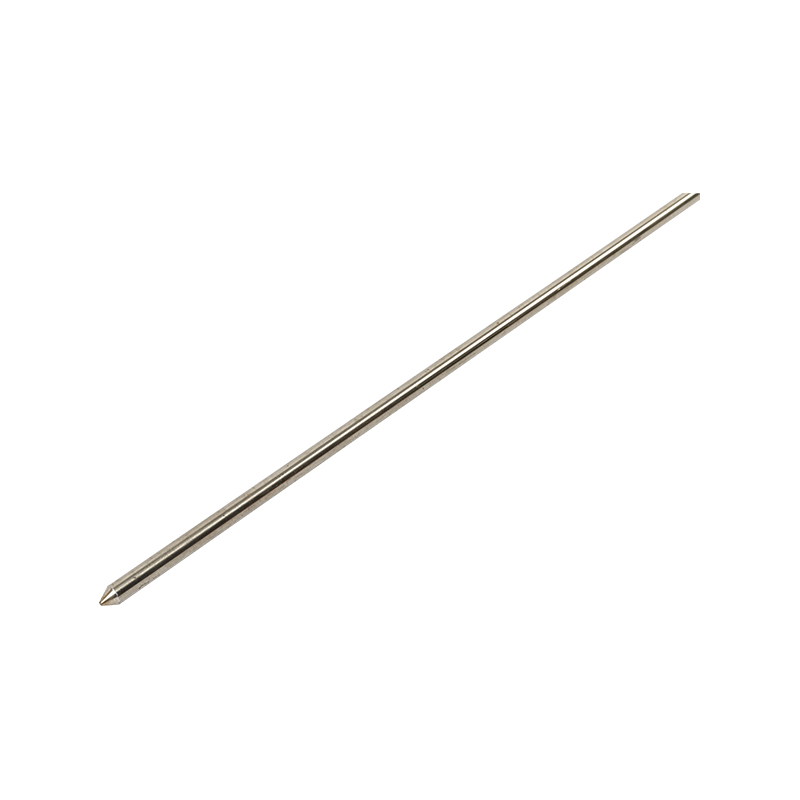
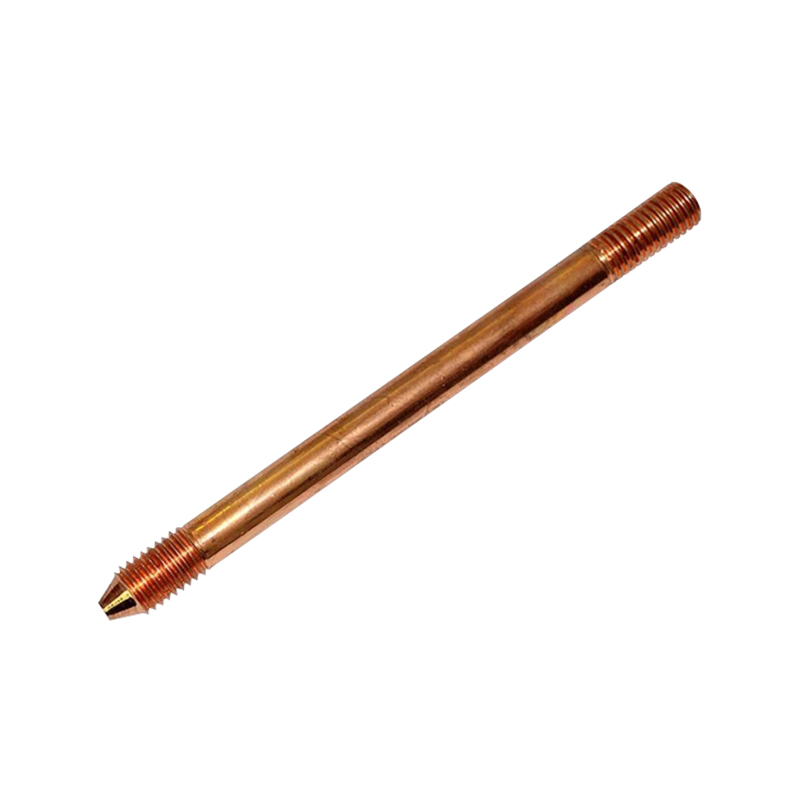
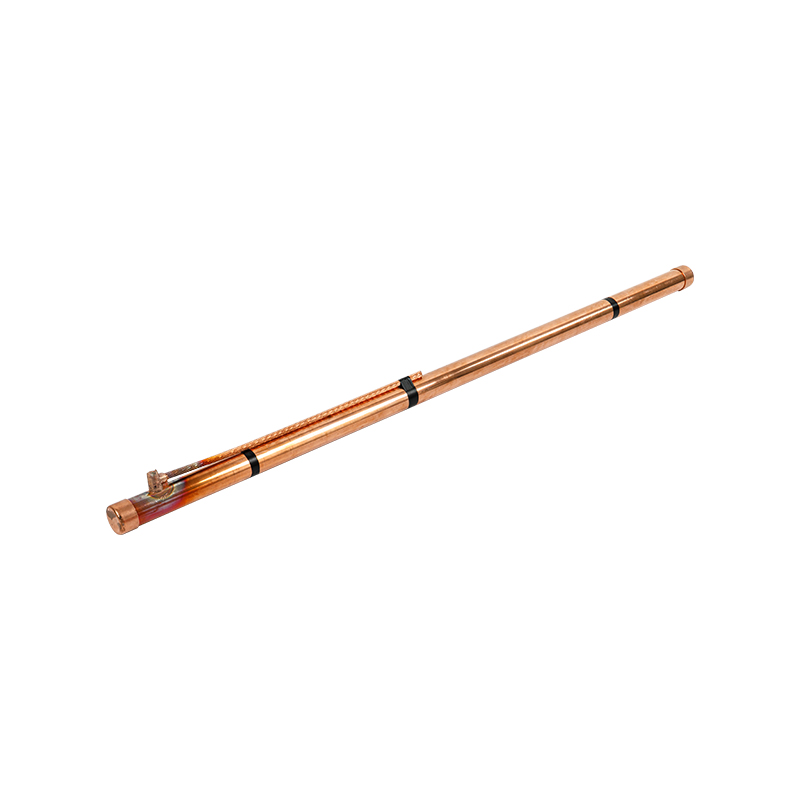
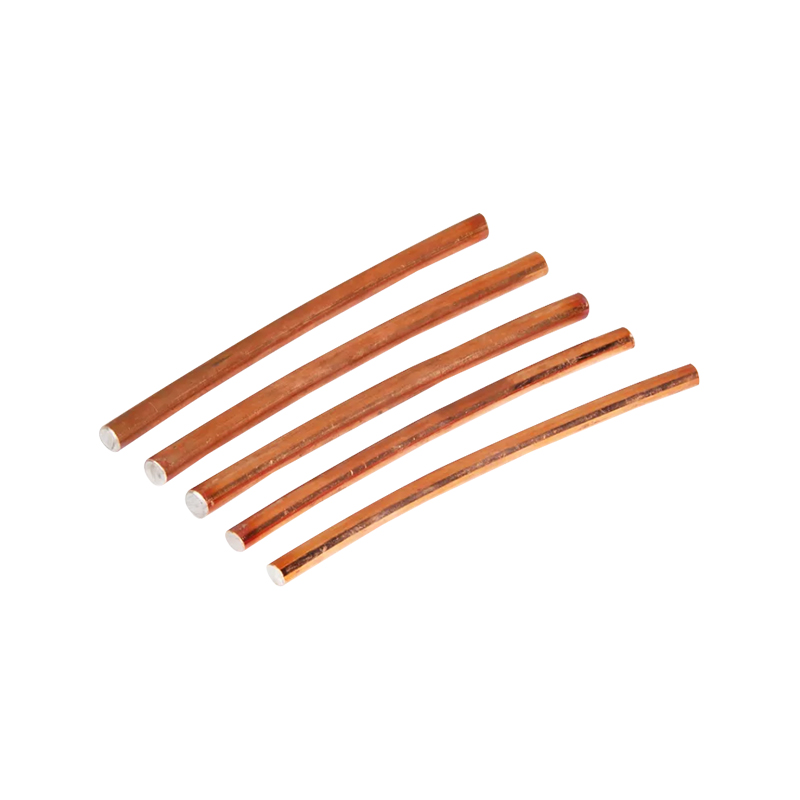
Una varilla de conexión a tierra es una varilla metálica larga, generalmente hecha de cobre o acero galvanizado, clavada en el suelo. Su trabajo es crear un camino directo para que la corriente eléctrica viaje de manera segura a la tierra. De esa manera, si hay una falla o una sobretensión, la electricidad no pasa a través de personas o equipos sensibles, sino que va directamente al suelo.
¿Por qué es tan importante la conexión a tierra?
Piénselo así: la electricidad siempre quiere un camino. Si el camino pasa por un cuerpo humano o una máquina, ahí es donde surgen los problemas. Varillas de puesta a tierra proporcionar un camino de baja resistencia para esa electricidad, para que pueda disiparse de forma segura. En un mundo donde los rayos, las sobretensiones y las fallas de los equipos ocurren a diario, las varillas de conexión a tierra son básicamente la "válvula de seguridad" para los sistemas eléctricos.
¿Cuándo se utilizan las varillas de puesta a tierra?
Las varillas de puesta a tierra se utilizan en casi todas las instalaciones eléctricas. Estas son las situaciones más comunes:
- - Edificios residenciales (puesta a tierra del cuadro eléctrico principal)
- - Edificios comerciales (puesta a tierra de distribución de energía)
- - Plantas industriales (puesta a tierra de equipos y maquinaria)
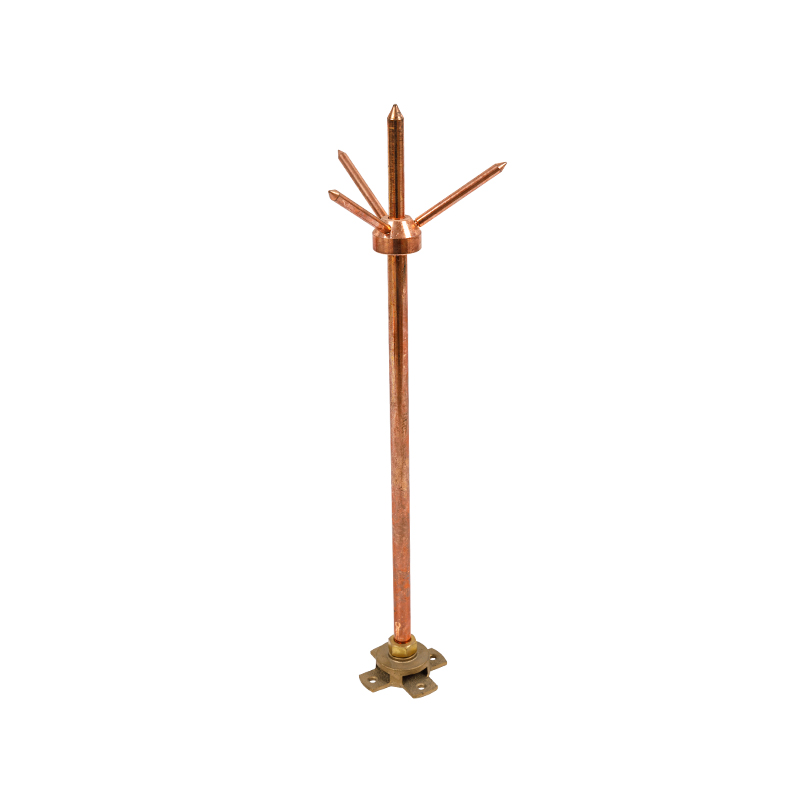
- - Torres de telecomunicaciones (puesta a tierra de protección contra rayos)
- - Sistemas de energía renovable (parques solares, turbinas eólicas)
Básicamente, en cualquier lugar donde se utilice electricidad, es probable que haya barras de conexión a tierra.
¿Cómo funciona una varilla de puesta a tierra?
Las barras de puesta a tierra funcionan según un principio simple: proporcionan una conexión directa entre el sistema eléctrico y la tierra. Cuando la varilla se introduce en el suelo, toca un gran volumen de tierra, que actúa como un enorme conductor. El suelo tiene naturalmente humedad y minerales que ayudan a conducir la electricidad.
Cuando ocurre una falla, la corriente eléctrica viaja a través del cable de tierra hasta la varilla y luego se propaga por el suelo. Cuanto mayor sea el área de contacto de la varilla y mejores sean las condiciones del suelo, más efectiva será la conexión a tierra.
¿Cuáles son los pros y los contras?
Ventajas
En primer lugar, las varillas de puesta a tierra mejoran la seguridad. Ese es el grande. En segundo lugar, ayudan a proteger los equipos contra sobretensiones y rayos. En tercer lugar, estabilizan el sistema eléctrico proporcionando un punto de referencia para el voltaje.
Contras
La desventaja es que el rendimiento de la puesta a tierra depende en gran medida de las condiciones del suelo. El suelo seco o rocoso reduce la eficacia. Además, las varillas de conexión a tierra pueden corroerse con el tiempo, especialmente si no están fabricadas con materiales resistentes a la corrosión. Finalmente, la instalación puede resultar complicada en algunos entornos, como terrenos rocosos o áreas con espacio limitado.
¿A qué deben prestar atención los fabricantes e instaladores?
Elección de materiales
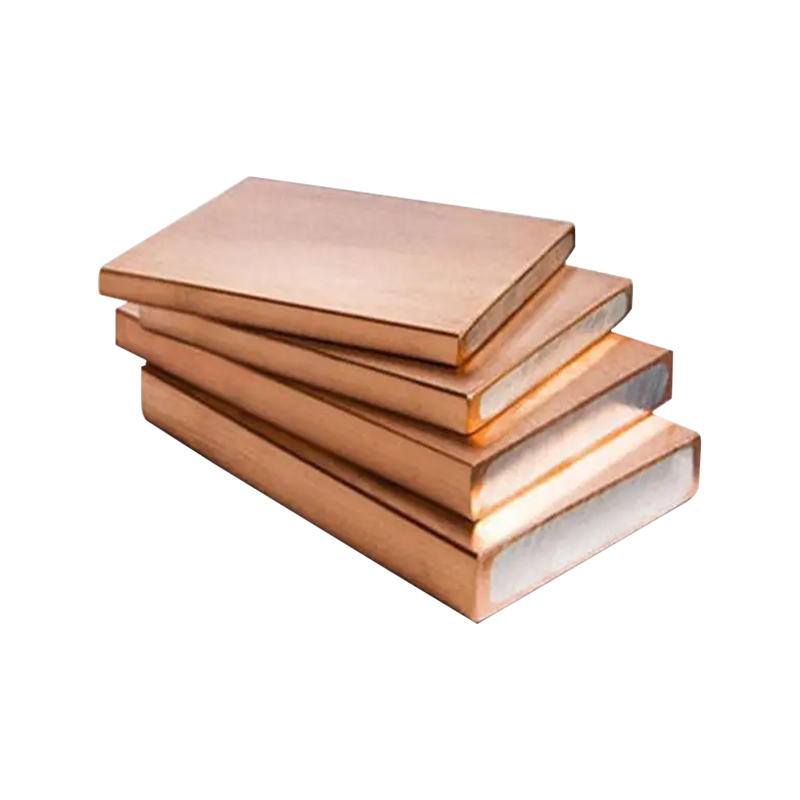
Las varillas de puesta a tierra suelen ser de acero galvanizado o revestido de cobre. Las varillas revestidas de cobre son más resistentes a la corrosión y duran más, pero pueden ser más caras. Para una confiabilidad a largo plazo, el revestimiento de cobre suele ser la mejor opción.
Longitud y cantidad de varillas.
Puede que una varilla no sea suficiente en todos los casos. A veces se utilizan varias varillas y se conectan entre sí. La longitud también importa: cuanto más profunda sea la varilla, mejor será el contacto con el suelo húmedo.
Pruebas de suelo
Esto muchas veces se pasa por alto, pero es importante. Las pruebas de resistividad del suelo ayudan a determinar qué tan bien el suelo puede conducir la electricidad. En suelos de alta resistividad, es posible que necesite soluciones de conexión a tierra especiales, como material de mejora del suelo o varillas múltiples.
Mantenimiento
Aunque las barras de puesta a tierra estén enterradas, aún necesitan controles periódicos. Con el tiempo, la corrosión o los cambios del suelo pueden reducir el rendimiento. Las pruebas periódicas pueden detectar problemas antes de que se vuelvan peligrosos.
Tabla de comparación rápida: tipos comunes de varillas de conexión a tierra
| Tipo de varilla | Materiales | Mejor para | Desventaja |
|---|---|---|---|
| Varilla de acero galvanizado | Acero con recubrimiento de zinc. | Proyectos sensibles a los costos | Corrosión con el tiempo |
| Varilla revestida de cobre | Núcleo de acero con revestimiento de cobre. | Fiabilidad a largo plazo | Mayor costo |
| Varilla de acero inoxidable | Acero inoxidable | Condiciones duras del suelo | Caro |
Pensamientos finales
Puede que las varillas de conexión a tierra no sean llamativas, pero son esenciales. Al final, protegen a las personas y los equipos, reducen los riesgos y mantienen estables los sistemas eléctricos. Para los fabricantes, el objetivo es ofrecer soluciones de puesta a tierra confiables que resistan el paso del tiempo. Para los instaladores, el objetivo es diseñar e implementar sistemas de puesta a tierra que coincidan con las condiciones del suelo y los requisitos de seguridad del mundo real.
Si su próximo proyecto implica varillas de conexión a tierra, no las trate como una ocurrencia tardía. Pueden ser simples, pero también son uno de los componentes de seguridad más importantes en cualquier sistema eléctrico.



 Sobre nosotros
 +86-15167536268
 29, Xingmei Avenue, Xinchang, Zhejiang, China